 LanguageLanguage
Outdoor apparel consists of performance-enhancing clothing and footwear for activities that can only be practiced outdoors. Sports and activities such as fishing, hiking, rock climbing, sailing, kayaking, cycling, surfing, etc.
Durability
Investing in quality outdoor gear isn't just about saving money; it's also about safety, protection, and durability. Good equipment is essential, as it's designed to withstand the elements and last for years without compromising performance, reliability, or comfort.
Longevity
Durability and longevity go hand-in-hand. When clothing is made with durable materials and reliable manufacturing processes, it's more likely to stand the test of time without compromising its integrity. High-quality clothing items do not need to be replaced as often as their low-quality counterparts, saving the wearer time, money, and frustration.
Comfort
High-quality clothing is not only strong and long-lasting, but it also provides an added level of comfort. As we've stated, quality brands tend to prefer better materials and fabrics. These fabrics, whether silk, cotton, or fleece, are made with a higher capacity of care and skill, a quality that always shows through in the final product. These clothing items are less likely to irritate the skin, stretch with wear, or produce pills after washing.
Fit
When it comes to choosing clothes, fashion and fit are often the most important components. Because high-quality clothing is manufactured with a higher level of care and attention to detail, they tend to fit better and retain their original fit longer than lower quality pieces might. Not only do high-quality clothing items fit better off the rack, but they sometimes also include components that allow for easier tailoring to achieve an even better fit.
Good Relationship to Clients
Our good services and credit make us have established long business relationships with overseas traders and wholesalers or importer.
Professional Team
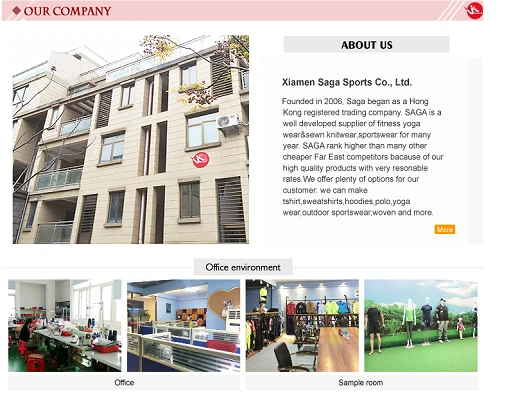
With years of development, now we have built a professional QC team to ensure our product quality. Our experienced European designer supervisor from Spain sensitively captures the world fashion trend and designs vogue garments quickly.
Custom Service
Our approach is based on working closely with each brand and company to bring customized productions that align with their requirements and needs. With meticulous attention to detail, each piece manufactured at our facility boasts exceptional quality and carefully crafted style.
24H Online Service
We welcome new and old customers from all over the world. For future business relationships and mutual success, inquire today.
Durability
Most people are going to be active in their outdoor clothing. Plus, the outdoors is full of things that can damage clothing such as branches and rocks. Sturdiness is an important feature that is essential to getting a good return-on-investment. Some brands and types of clothing have reputations as being more durable than others and are usually well worth the extra cost.
Sweat-Wicking
Another consequence of being active is that outdoor clothing tends to get sweated on. For comfort in the heat and safety in the cold, interior layers of clothing worn when being active outside should have sweat-wicking properties. Modern synthetic fibers are extremely good at accomplishing this and worth the price.
Warm When Wet
Especially during the winter getting wet is a major hazard of being outdoors. Whether it is rain, sleet or snow, moisture can cause a serious chill for people who are not properly equipped. An outer layer that is either waterproof or made from a material such as fleece that remains warm when wet is a good protective feature.
Layerable
Weather outside can be unpredictable and can change drastically from day to night. The best way to deal with this is usually to wear layers. For this reason, it is important to purchase middle and outer layers that are tight enough to be worn alone and loose enough to fit over other clothing. A form-fitting inner layer such as long underwear makes layering easier as well.
The 3 Best Fabrics to use Outdoors
POLYESTER
Polyester is a tough, versatile fabric. Polyester works well outside because it is resistant to stretching, abrasion, mold/mildew, and rot - it's also lightweight and flexible. Polyester can come vinyl-backed which adds to its inherent durability. Solution-dyed polyester is especially great for outdoor use - it has exceptional UV/sun resistance and wear properties. Not to mention, solution-dyed fabrics are much better for the environment (less water waste is used during production).
NYLON
Nylon has a lot of the same qualities as polyester but also some key differences. One difference being nylon has superior abrasion resistance - making it the choice fabric for use in military and pet applications. Nylon is easy to wash, extremely versatile, and somewhat UV resistant. It's also extremely quick-drying and highly water-repellent when finished with DWR!
SAM STRETCH WOVENS
These fabrics are various mixes of nylon/polyester and spandex. Those styles with nylon give you the excellent inherent abrasion resistance of nylon with a bit of stretch from the spandex that makes these fabrics especially great for outdoor and performance apparel.
RIPSTOP
Ripstop is technically not a specific fabric but a weave that is done in many different synthetic fabrics (polyester, nylon, and blends). The weaving technique used to make this fabric stops rips from spreading once they begin - hence the name "ripstop". Ripstop fabrics have unique uses, especially when it comes to the outdoors. They are commonly used in rain jackets and camping equipment like tents and sleeping bags. Kites, parachutes, and flags are commonly made from ripstops, too. Ripstops are easy to identify because of the square, cross-stitch pattern they have.


What is "Outdoor Apparel" to know?
One key aspect of outdoor apparel is its ability to keep the wearer warm and dry. This is especially important in colder or wetter environments, where exposure to the elements can be dangerous. To achieve this, outdoor apparel is often made from materials that are water-resistant or waterproof, It may also feature insulation, such as fleece or down, to keep the wearer warm.
In addition to being functional, outdoor apparel should also be comfortable and allow for a full range of movement. This is especially important for activities like climbing, where flexibility and mobility are essential. Outdoor apparel is often designed with this in mind, featuring stretchy, breathable materials and ergonomic cuts and seams.
Another important aspect of outdoor apparel is durability. Clothing that is intended for use in the outdoors needs to be able to withstand wear and tear, as well as exposure to the elements. This includes features like reinforced stitching, abrasion-resistant materials, and durable zippers and buttons.
When choosing outdoor apparel, it is important to consider the specific activity and environment in which it will be used. For example, a hiker will likely have different needs than a rock climber or a backpacker. It is also important to consider the fit of the clothing, as a proper fit can make a big difference in comfort and performance.
The History of Outdoor Clothing
The Early Days of Outdoor Clothing
The first outdoor clothing was made from natural materials such as animal hides, furs, and woven plant fibers. These early garments were designed for warmth and protection, with an emphasis on functionality rather than style. Clothing for outdoor activities such as hunting and fishing was made from heavy, durable materials that could withstand the rigors of the outdoors.
The Evolution of Outdoor Clothing Technology
In recent years, outdoor clothing technology has continued to evolve, with new advancements in materials and design helping to improve the comfort and performance of outdoor clothing. From waterproof and windproof membranes to advanced insulation materials, today's outdoor clothing is designed to keep outdoor enthusiasts warm, dry, and comfortable, no matter the conditions.
The history of outdoor clothing is a story of innovation and progress, as designers and manufacturers have worked to create better and more comfortable gear for outdoor enthusiasts. From the early days of animal hides and rough fabrics to the advanced technology of today's outdoor clothing, the evolution of outdoor clothing reflects our ongoing pursuit of comfort and performance in the great outdoors. Whether you're an avid hiker, camper, or mountaineer, the history of outdoor clothing is an essential part of the story of outdoor recreation, and a testament to our love of the outdoors. The history of outdoor clothing is not just about the products, but about the people and the experiences they have had while wearing them.

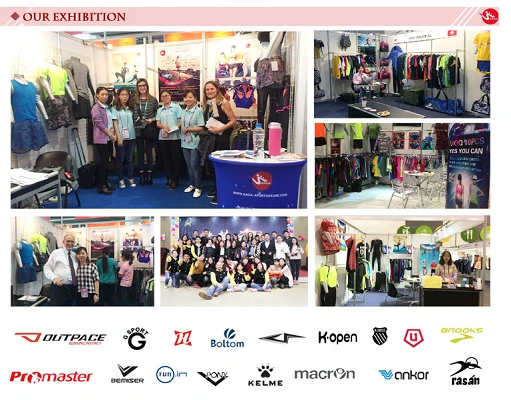
With years of development, now we have built a professional QC team to ensure our product quality. Our experienced European designer supervisor from Spain sensitively captures the world fashion trend and designs vogue garments quickly. Our sportswear is supplied for Kelme, Diadora, Pony, Macron and K-Swiss etc. As a reliable and honest manufacturer, we will delivery your orders on time and ensure the quality.

Q: What is the best material for outdoor clothes?
Q: What material is outdoor fabric?
Q: What textile is used for outdoor garments?
Q: What is considered outdoor apparel?
Q: What fabric holds up in the sun?
Q: What is the most weather resistant fabric?
Q: Is wool or cotton better for outdoor clothing?
Q: Is cotton good for outdoor clothing?
Q: What are the 3 categories of apparel?
Q: What is the future of the outdoor apparel industry?
Q: What fabric won't fade in the sun?
Q: What fabrics should be avoided in hot weather?
Q: What lasts longer outside nylon or polyester?
Q: What is the outlook for outdoor apparel?
Q: What is the outdoor apparel industry trend?
Q: How big is the outdoor apparel market?
Q: What are the advantages of clothes?
Q: Why is the outdoor apparel market growing?
Q: What are the 5 importance of wearing clothes?
Q: What do clothes protect us from?