 LanguageLanguage
A face mask is a covering that you wear over your face, for example to prevent yourself from breathing bad air or from spreading germs, or to protect your face when you are in a dangerous situation.
Prevent droplet spread
When you go out wearing a mask, the layers of fabric act as a filter to keep most of those aerosols from reaching those around you. Masks that cover your mouth and nose prevent droplets from traveling as far so fewer of them reach other people or the surfaces around you to infect others.
Protect you and those around you
Face masks are also very useful when in closed, crowded and confined spaces with poor ventilation.Spring and summer are the seasons when people come together socially more often, there are more large-scale public events, and people move around the country in bigger numbers.During this time of year, we encourage you to wear a face mask when on public transport, around crowds of people, and when you have close contact with someone else, such as during face-to-face conversations.
Good fit
Can increase protection of your fabric face mask by adding a 'filter layer' and a nose bridge wire to mould the face mask to your face. A filter layer could be a specific face mask filter or a cut-down disposable face mask to add to a face mask pocket.
Shape also matters
A mask's ability to filter out particles depends on not just what it's made out of but how well it seals to your face. Masks with pleats or folds are also a good choice: The folds expand so that you have more air flowing through the fabric itself instead of leaking out through gaps at the sides of the mask.
Good Relationship to Clients
Our good services and credit make us have established long business relationships with overseas traders and wholesalers or importer.
Professional Team
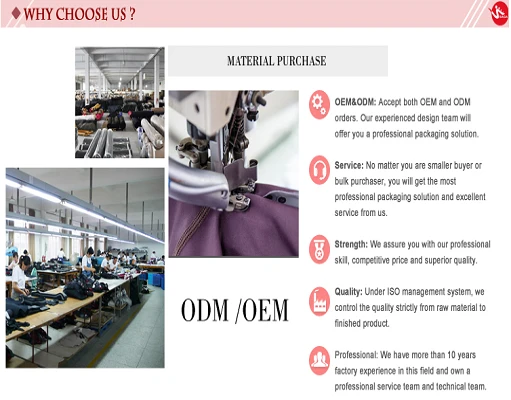
With years of development, now we have built a professional QC team to ensure our product quality. Our experienced European designer supervisor from Spain sensitively captures the world fashion trend and designs vogue garments quickly.
Custom Service
Our approach is based on working closely with each brand and company to bring customized productions that align with their requirements and needs. With meticulous attention to detail, each piece manufactured at our facility boasts exceptional quality and carefully crafted style.
24H Online Service
We welcome new and old customers from all over the world. For future business relationships and mutual success, inquire today.
Cloth Masks
In non-health care settings, multiple-layer fabric cloth masks are excellent barriers for containing respiratory droplets and interrupting viral transmission if they are worn consistently and properly, covering the nose and mouth.
Procedural and Surgical Masks
These are loose-fitting masks designed to cover the mouth and nose. Medical grade surgical or procedural masks provide excellent protection due to their filtration and fluid resistance. A simple "knot and tuck" technique can be used to improve the fit of rectangular surgical or procedural masks. This video from the CDC demonstrates this technique.
N95s and Other Respirators
N95 respirators offer a higher level of filtration than cloth, surgical or procedural masks. However, they are not necessary to protect people from the virus under normal circumstances. In order to be optimally effective, respirators must be fit-tested and worn properly, tightly fitted against the person's face.
Face Shields
A face shield is a piece of rigid, transparent plastic attached to a headband. The plastic piece covers the face, extending below the chin.
Here are the basics of how to wear a mask
Clean your hands before you put your mask on, as well as before and after you take it off, and after you touch it at any time.
Make sure it covers both your nose, mouth and chin.
When you take off a mask, store it in a clean plastic bag, and every day either wash it if it's a fabric mask, or dispose of a medical mask in a trash bin.
Don't use masks with valves.
Masks made of fabric, such as cotton, can be washed in your regular laundry using hot water.
Disposable, blue surgical masks cannot be laundered or cleaned and should be thrown away when they are visibly soiled or damaged.
After laundering your fabric masks, tumble dry them in the dryer on a high setting.
You might consider using a nonscented laundry detergent if you are sensitive to perfumes, so it is easier to wear masks.
You can also hand-wash your mask, using hot, soapy water. Scrub the mask for at least 20 seconds and dry it on high heat in the dryer.
Store clean masks in a clean place when you are not using them.

What to look for in a face mask material

1. Use woven fabrics over knits. The tighter the weave, the better the protection, as long as you can breathe.
2. Avoid porous materials and those with large openings.
3. Use multiple layers of material. Just make sure you can still breathe adequately.
4. Don't pay extra for antimicrobial interiors. There's not much research to support its value.Avoid fabrics treated with bleach and harsh chemicals.
5. Try a tie-on design for a more customizable, comfortable fit.
6. Consider adding a HEPA filter to boost your masks's filtration. Just make sure it doesn't come in direct contact with your mouth.
Masks are a type of personal protective equipment (PPE), along with face shields, protective eye goggles, gloves, gowns, and other equipment. Proper use of PPE can help reduce the spread of COVID-19. Wearing PPE is a risk reduction measure, not a risk avoidance measure, so masks can help lower (but not completely eliminate) the chances of getting infected or infecting someone else. Maintaining hygiene, physical distancing, and other measures are still recommended.
There has been uncertainty around the safety of blue surgical masks and who should be wearing them. However, wearing surgical masks is safe and protective against COVID-19 when used properly.Blue surgical face masks are made with non-woven fabric, which has been shown to have better bacteria filtration and airflow than woven cloth.
The material most commonly used to make these masks is polypropylene—a type of fabric made from a "thermoplastic" polymer (meaning that it's easy to work with and shape at high temperatures). Blue surgical masks can also be made of polystyrene, polycarbonate, polyethylene, or polyester— all of which are types of fabrics derived from thermoplastic polymers.
To be completely sure of the safety of a surgical mask, it helps to know where it came from . If you are concerned about any potential allergic reactions to surgical face masks, another great option is to purchase or create your own cloth mask, as long as it is made out of cotton or linen, has at least two layers of fabric, covers your nose, and mouth, and has ear loops.
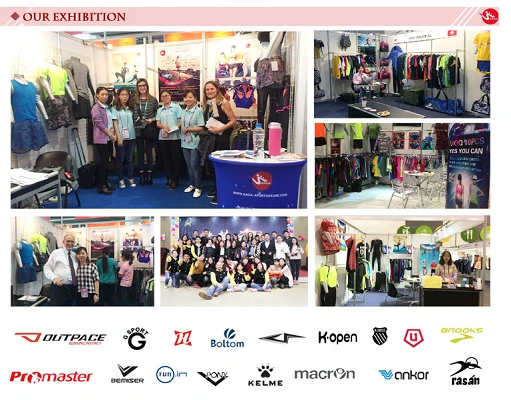
With years of development, now we have built a professional QC team to ensure our product quality. Our experienced European designer supervisor from Spain sensitively captures the world fashion trend and designs vogue garments quickly. Our sportswear is supplied for Kelme, Diadora, Pony, Macron and K-Swiss etc. As a reliable and honest manufacturer, we will delivery your orders on time and ensure the quality.

Q: What are the benefits of wearing a face mask?
Q: What is the main purpose of wearing a face mask?
Q: Is it good to wear a face Mask Everyday?
Q: Do masks help with air quality?
Q: Do masks help with allergies?
Q: Which mask is best for air pollution?
Q: Do masks block pollen?
Q: Do masks protect from sneezing?
Q: What mask is best for mold?
Q: What mask is best for dead body smell?
Q: Which mask is best for dust?
Q: Why do surgeons wear masks?
Q: Can mold go through face mask?
Q: How can I protect my lungs from mold?
Q: What mask gives the most oxygen?
Q: What mask do firefighters wear?
Q: What is a P3 mask?
Q: What is the best mask for haze?
Q: What mask is best for dust?
Q: What does P1 mean on a mask?