 LanguageLanguage
Sportswear or activewear is clothing, including footwear, worn for sport or physical exercise. Sport-specific clothing is worn for most sports and physical exercise, for practical, comfort or safety reasons.Sportswear also includes the variety of protective gear required for contact sports such as lacrosse, boxing and ice hockey.
Sweat-Wicking & Breathability
As you sweat a lot during exercise, it is helpful to wear appropriate clothes. With breathable fabric, it can absorb moisture and make you feel cool and dry, which will greatly change your feeling.
Durability of Clothes
You don't need to spend a lot of money to buy good, durable sportswear. The right exercise equipment is usually very durable so that you can make the most of it.
Protection From the Environment
Your sportswear can also help protect you from the environment. If you plan to exercise outdoors in the hot summer, loose clothes and breathable fabrics are very important. It will help keep your body cool so that you don't overheat. In addition, you will want to choose a lighter color to reflect sunlight away from your body.
COMFORT
One of the main benefits of wearing proper sports equipment is comfort. When you go to the gym, the worst thing you can do is put on your uncomfortable clothes or shoes. Wearing the wrong shoes will make your feet blister. A sports bra that is too tight will stick into your back. The wrong shorts will only rub and irritate your thighs.
Good Relationship to Clients
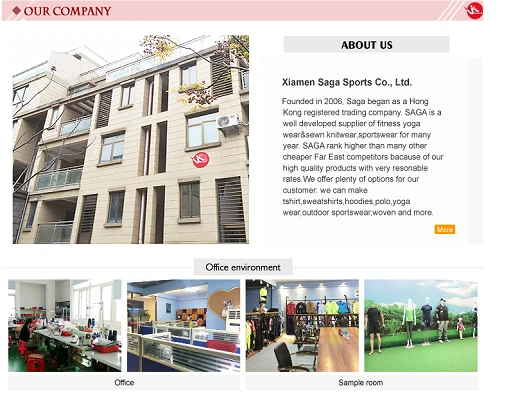
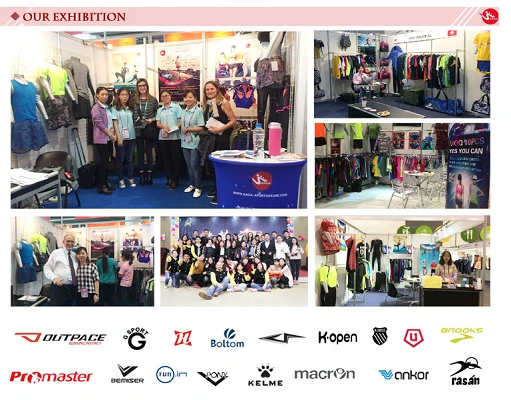
Our good services and credit make us have established long business relationships with overseas traders and wholesalers or importer.
Professional Team
With years of development, now we have built a professional QC team to ensure our product quality. Our experienced European designer supervisor from Spain sensitively captures the world fashion trend and designs vogue garments quickly.
Custom Service
Our approach is based on working closely with each brand and company to bring customized productions that align with their requirements and needs. With meticulous attention to detail, each piece manufactured at our facility boasts exceptional quality and carefully crafted style.
24H Online Service
We welcome new and old customers from all over the world. For future business relationships and mutual success, inquire today.
Typical sport-specific garments include tracksuits, shorts, T-shirts and polo shirts. Specialized garments include swimsuits (for swimming), wet suits (for diving or surfing), ski suits (for skiing) and leotards (for gymnastics). Sports footwear include trainers, football boots, riding boots, and ice skates. Sportswear also includes bikini and some crop tops. Sportswear is also at times worn as casual fashion clothing.
For most sports the athletes wear a combination of different items of clothing, e.g. sport shoes, pants and shirts. In some sports, protective gear may need to be worn, such as helmets or American football body armour. Especially in team sports which involved blocking, intercepting, or pursuing small, hard projectiles such as cricket, baseball, and hockey (where balls or pucks are struck to speeds in excess of 100 miles per hour (45 m/s)) jockstraps (or jillstraps) are standard equipment at higher levels of play. Other undergarments, such as the sports bra, furnish a mixture of protection and comfort. Some protective or supportive orthotics resemble and function as undergarments (especially flexible harnesses and braces); though intended to be worn for sports, these are not generally conceived of as sportswear per se.

Sportswear - Moisture-wicking fabrics

The moisture-wicking fabrics are a class of hi-tech fabrics that provide moisture control for an athlete's skin. They move perspiration away from the body to the fabric's outer surface where it can evaporate. These fabrics typically are soft, lightweight, and stretchy—in other words, they are well suited for making activewear. Moisture-wicking means that the fabric is absorbent and this can leave a barrier of wet fabric on your skin.
Drywicking is the newest variation of moisture wicking. It is a smart two tier fabric that breaks the surface tension of sweat and propels it through the hydrophobic layer into a natural wicking outer layer like cotton where it is assisted by evaporative cooling leaving your skin absolutely dry.
Besides the fact that your body can perform better, it will chemically free prevent odors because a bacteria microclimate cannot grow on dry skin. This broad category of fabrics is used to make garments like T-shirts, sports bras, running and cycling jerseys, socks, tracksuits, and polo-style shirts for any physical activity where the goal is to keep your skin as cool and dry as possible. Moisture-wicking fabrics are used to make apparel for outdoor activities such as hiking, fishing, mountain biking, snow skiing, and mountain climbing. Due to the popularity of garments made from these fabrics, more variations are being introduced to the market.
Whether working out or testing skills at sports, wearing inappropriate garments can cause a lot of discomfort. Ill-fitted and loose clothes can come in your way, while overly tight ones can hinder your movement and restrict blood circulation. Therefore choosing the right size is a necessity. Having breathable fabric that wicks away moisture keeping one cool and dry, makes a huge difference in how you feel.
Good quality compression wear helps protect the muscles from inflammation as well as injuries. Compression wears increase blood flow to the heart, delivering much-needed oxygen to working muscles. As a result, it reduces fatigue and soreness by controlling lactic acid accumulation. With the right clothing comes an effortless workout.
Wearing the right clothes can be highly motivating and help you achieve your goals. 79% of people owning good gym clothes have been successful in achieving their fitness goals. The right piece of clothing can boost your confidence and self-esteem. A phenomenon called, 'Enclothed Cognition' says that clothing can activate psychological changes that influence performance and confidence level favorably. When one looks good, they feel more assertive, so investing in the right apparel is a win-win situation.
Any kind of athletic activity, be it gymming or sports, involves a lot of falling, bumping, and stretching. All these vigorous exercises and training can damage your clothes and result in loads of money spent on replacements. The right workout gear, which is high-quality and durable, can help you save hard-earned money and is what you need.
What Material is Sportswear Made From?
Sportswear is an incredibly broad term that can refer to anything from yoga pants to team jerseys and everything in between. The type of sportswear you're talking about will dictate the fabric it's made from.
For example, activewear like leggings, sports bras, and tank tops are often made from a polyester/spandex blend and are also increasingly using more sustainable fabrics. This blend is lightweight, stretchy, and moisture-wicking - perfect for a workout.
On the other hand, soccer jerseys are often made from 100% polyester - a durable fabric that can withstand the rigors of the game, but is also starting to see a surge in recycled polyester.
Sportswear is most commonly made from a variety of synthetic fabrics - the five most popular materials used in sportswear are:
Polyester
Spandex/Elastane
Nylon
Merino Wool
MMCFs (Bamboo, Eucalyptus, etc.)

Does it Matter What Technical Sportswear is Made of?
Athletic apparel should be comfortable, and forgettable: in the sense that the wearer isn' t distracted by their apparel, how it fits, or whether it' s moving with their body, pinching uncomfortably, sliding, and more.
Thermal regulation is also very important, and a garment' s ability to offer temperature control on its own or when layered with other pieces is key when designing not only individual garments but also as part of a collection.
And at the end of the day, looks do matter.
Attractive apparel can inspire, motivate and generate a natural boost of energy, and any apparel that can transition from athletic pursuits to daily life is something customers will reach for more often.
Mesh panels, laser-cut detailing, sleek zippers, ergonomic seams, and attractive prints can take a simple style up a notch. Keeping fabric types and strengths in mind when applying these details makes a world of difference in the fit, function, and style of a garment.
Functional Requirements of High-Activity Sportswear
Heat stress is a significant issue in high-intensity sports like tennis and football, where the metabolic heat output can range from 800 to 1300W. This level of heat can cause the body's core temperature to rise by 1.5-2oC. To provide a cooling effect and regulate body temperature, the body employs sweat production and water vaporisation. Given that sweat generation can reach 2.5L/h, the primary functional requirements of high-activity sportswear are sweat absorption, quick drying, and cooling.
High-activity sportswear should also possess a high degree of elastic recovery and stretch to comfortably fit the wearer and accommodate their full range of motion. Stretchable fabric creates compression in many dynamic sports such as jumping, running, and power lifting, which can enhance an athlete's performance. Compression Athletic Wear (CAW) provides athletes with the compression and anatomical fit they need. These garments are often referred to as 'skin suits' because they conform to the body's natural curves like a second skin.
Additional attributes sought in athletic wear include easy maintenance, lightweight, UV resistance, smoothness, and softness.

With years of development, now we have built a professional QC team to ensure our product quality. Our experienced European designer supervisor from Spain sensitively captures the world fashion trend and designs vogue garments quickly. Our sportswear is supplied for Kelme, Diadora, Pony, Macron and K-Swiss etc. As a reliable and honest manufacturer, we will delivery your orders on time and ensure the quality.

Q: What is considered sports wear?
Q: What is the difference between active wear and sports wear?
Q: What makes a sportswear?
Q: Is a hoodie considered sportswear?
Q: How do you wear sports wear?
Q: Can you wear sportswear everyday?
Q: Are sneakers considered sportswear?
Q: What is luxury sports wear?
Q: Is sportswear considered fashion?
Q: What is casual sportswear called?
Q: Is streetwear a sportswear?
Q: What is a hoodie without a hood called?
Q: What is a hoodie without a zipper called?
Q: Why do athletes always wear hoodies?
Q: Why do people wear sleeveless hoodies in the gym?
Q: What's the Difference Between a Hoodie and a Jacket?
Q: Why are sports wear expensive?
Q: How do you dress sporty but classy?
Q: Why is everyone wearing activewear?
Q: What is the runner wear?